
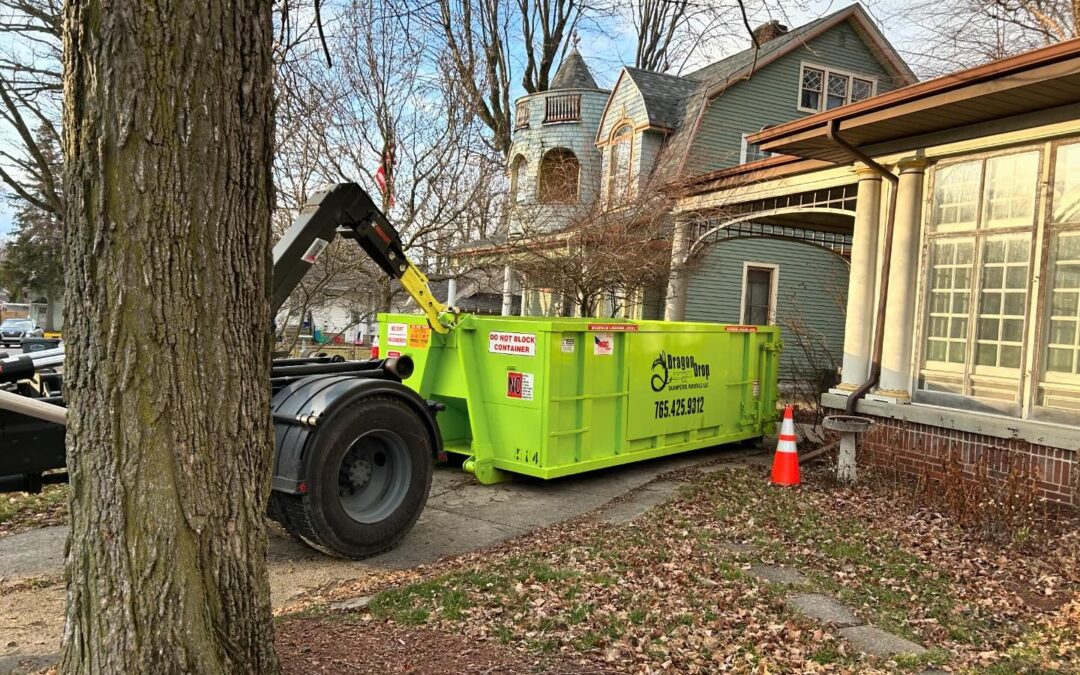
Preparing for a dumpster delivery is a critical step in ensuring your construction, renovation, or cleanup project goes smoothly. Whether you’re a homeowner tackling a big decluttering project or a contractor managing a job site, knowing how to get ready for your dumpster delivery will save you time, prevent property damage, and help you avoid unnecessary hassles.
In this guide, we’ll walk you through everything you need to know to prepare for your dumpster delivery, including choosing the right location, clearing the area, protecting your property, and coordinating with your provider.
Choosing the Right Location for Your Dumpster Delivery
Ideal Surface and Placement
Selecting the ideal spot for your dumpster is the first and most important step in preparing for dumpster delivery. The location should be hard, flat, and stable—concrete driveways and asphalt surfaces are ideal. Avoid placing the dumpster on soft ground, grass, or areas prone to flooding, as these can lead to sinking or ruts under the weight of the dumpster.
Proximity to Work Area
Consider the proximity to your work area. The closer the dumpster is to where you’re generating waste, the less time and effort you’ll spend transporting debris. However, convenience should never compromise safety or property protection. Make sure the chosen spot provides enough space for the dumpster and allows the delivery truck easy access.
Assessing Space and Accessibility
Dumpster Size and Dimensions
Before your dumpster delivery, assess the space requirements. Most standard residential dumpsters range from 10 to 40 cubic yards, with lengths between 14 and 22 feet and widths of about 8 feet. Height can vary from 4 to 8 feet, so check for overhead obstructions like tree branches or power lines.
Delivery Truck Maneuvering Space
The delivery truck needs significant space to maneuver and unload the dumpster. Typically, you’ll need at least 60 feet of straight clearance for the truck to back in, lower the dumpster, and pull away safely. The area should be at least 10.5 to 11 feet wide to accommodate the truck and dumpster. Ensuring this space is clear, unobstructed, and in a straight line will make the dumpster delivery process quick and efficient.
Clearing the Area for Dumpster Delivery
Removing Obstacles
Once you’ve chosen the location, clear the area of all obstacles. This includes moving vehicles, bikes, trash cans, toys, and any other items that could block the delivery truck’s path.
Vehicle and Vegetation Management
If you have cars parked in the garage, remember that you may not be able to access them while the dumpster is in your driveway. Move them to the street or another safe spot if necessary.
Trim back any low-hanging tree branches or bushes that might interfere with the delivery truck or the dumpster itself. Check for overhead wires or cables and ensure there’s enough vertical clearance. If possible, mark the spot where you want the dumpster placed to help the driver position it accurately.
Don’t miss our tips for a successful garage clean out!
Protecting Your Property During Dumpster Delivery
Surface Protection Techniques
Dumpsters are heavy, and their weight can damage certain surfaces. To protect your driveway or yard, consider placing plywood or wooden boards under the dumpster’s wheels or feet. (We provide boards at no additional charge.) This distributes the weight and helps prevent cracks, dents, or ruts. If you must place the dumpster on grass, use a tarp or plywood underneath to minimize soil compression and grass damage.
Inspecting and Reinforcing the Surface
Inspect the surface before delivery for any existing cracks or weak spots. If you notice any issues, reinforce the area or choose a different location. Preparing your property in advance will help avoid costly repairs and keep your landscape looking good.
Coordinating with Your Dumpster Delivery Provides
Confirming Delivery Details
Clear communication with your dumpster delivery provider is key to a smooth process. Confirm your delivery date and time, and make sure you or someone else is available to provide instructions if needed. If you won’t be present, leave clear instructions or mark the spot where you want the dumpster placed.
Discussing Special Requirements
Discuss any special requirements or concerns with your provider, such as narrow driveways, tight spaces, or specific placement needs. Many companies offer guidance on how to prepare for dumpster delivery and can answer any questions you have about the process.
Obtaining Necessary Permits
When Permits Are Required
Depending on your location, you may need a permit to place a dumpster on a public street or sidewalk. Check with your local authorities to determine if a permit is required and apply for one well in advance of your scheduled dumpster delivery. Failure to obtain the necessary permits can result in fines or delays.
Private Property Considerations
If you’re placing the dumpster on private property, such as your driveway, a permit is usually not required. However, it’s always a good idea to check local regulations to ensure compliance.
Planning for Traffic Flow and Workspace Safety
Managing Traffic and Access
Think about how the dumpster will affect traffic flow around your property. Make sure the placement doesn’t block driveways, sidewalks, or access points for vehicles and pedestrians. Keep children and pets away from the delivery area during the process to ensure their safety.
Ensuring Adequate Workspace
Plan for adequate workspace around the dumpster. You’ll need enough room to maneuver safely while loading debris, so clear any additional hazards or clutter from the surrounding area.
Final Checklist Before Dumpster Delivery
- Clear the delivery area: Remove all vehicles, equipment, and obstacles.
- Trim branches and check overhead clearance: Ensure there are no low-hanging branches or wires.
- Mark the spot: Use cones, chalk, or another method to indicate where you want the dumpster placed.
- Protect your property: Place plywood or boards under the dumpster if needed.
- Confirm delivery details: Double-check the date, time, and any special instructions with your provider.
- Obtain necessary permits: If required, secure a permit before delivery day.
- Prepare for loading: Have a plan for how you’ll load the dumpster and distribute weight evenly.
Maximizing Efficiency During Your Dumpster Rental
Loading Tips
Once your dumpster is delivered, you can start loading your debris. Begin with large, bulky items at the bottom, and break down furniture or boxes to maximize space.
Weight Distribution and Limits
Distribute the weight evenly throughout the dumpster to prevent tipping or uneven distribution. Be mindful of weight limits to avoid overage fees—most residential dumpsters have a maximum weight capacity, so check with your provider for specific guidelines.
Safety and Overfill Prevention
Keep the dumpster level to the top—do not overfill it. Overfilled dumpsters can be dangerous during transport and may not be picked up until excess debris is removed. Follow all safety guidelines provided by your dumpster delivery company to ensure a smooth and hassle-free experience.
Final Word on Preparing for Your Dumpster Delivery
Proper preparation is the key to a successful dumpster delivery. By choosing the right location, clearing the area, protecting your property, and coordinating with your provider, you’ll set yourself up for a smooth and efficient project.
Remember to check local regulations, obtain necessary permits, and follow all safety guidelines to avoid delays or additional costs. With these tips in mind, you’ll be ready for your dumpster delivery and well on your way to completing your project with ease.
By following this guide, you’ll ensure your dumpster delivery is seamless, your property is protected, and your project runs smoothly from start to finish. Whether you’re a homeowner or a contractor, these steps will help you make the most of your dumpster rental and achieve your cleanup goals efficiently.